
An ounce of information
Article by Pnut King
Published on 06/09/2026 in Peanut News
The Indian peanut industry has improved, and one of the reasons European buyers are looking for good quality peanuts from India more and more. This includes modern food safety equipment and improved practices related to traceability, improved processing technologies, and strengthened food production safety systems.
The rules are very strict in the European market when it comes to food safety and quality. In Germany, the Netherlands, Spain, France, Italy and Belgium, buyers only choose suppliers who can be guaranteed to meet their standards every time. Indian peanut exporters are establishing processing units with required certification, state- of-the-art packing facilities and internationally accepted norms of food safety.
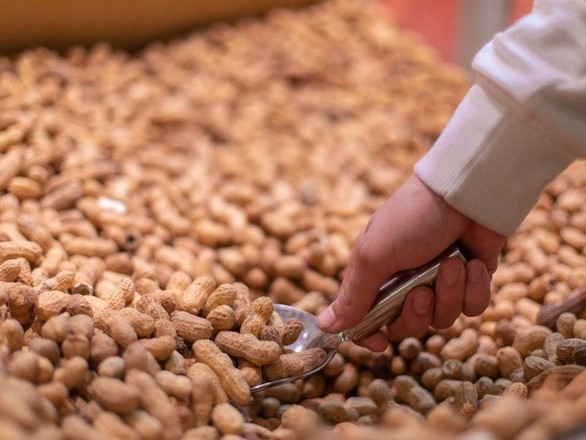
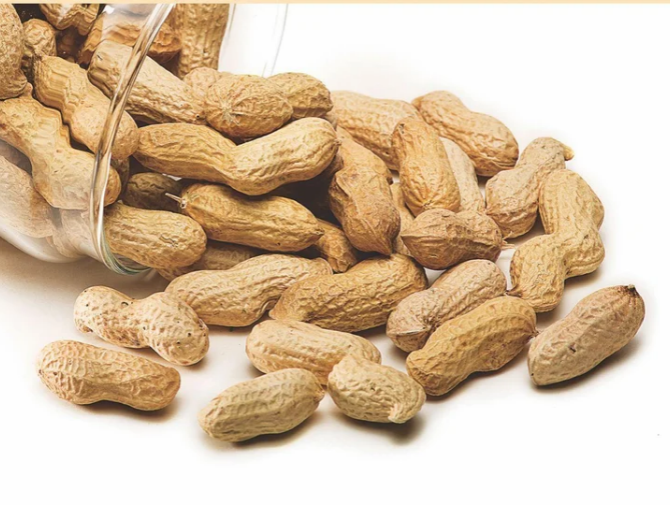
Today, the Indian peanut industry is the most accessible and reliable source of high-quality peanuts in the world. Indian exporters are well placed to meet the needs of the food industry and manufacturers of snacks, peanut butter and confectionery products in Europe. They include many varieties of peanuts from Bold and Java to Hi-Oleic and Blanched peanuts.
The EU has the strictest food safety regulations for peanuts. The main concern for EU buyers is aflatoxins which may naturally occur in peanuts if they are not properly handled, stored, or processed.
Hence, European buyers prefer to work only with certified peanut suppliers and strictly follow food safety systems.
Certified suppliers implement:
Meeting EU importing standards consistently is impossible without adequate certifications and quality control systems.
Certified suppliers for EU buyers reduce:
This emphasises the necessity of certifications on peanut exports to Europe.
BRCGS Certification is one of the most important certifications related to food safety for peanuts being exported to Europe.
BRC certification is indicative of effective control of:
Thus, buyers from the EU have more confidence in peanut processing from BRC certified processors, especially due to control over aflatoxins.
In addition to BRCGS, Indian exporters strive for:
These certifications position Indian exporters in the European market.
Regarding the quality, taste, and texture of peanuts, India is praised.
Reasons for the quality of Indian peanuts include:
Examples of the most popular varieties of peanuts exported from India include:
Indian peanuts, useful for their range of cover and seam quality, are particularly popular with European food and snack companies.
Indian peanuts are well-liked in Europe as they provide good quality at competitive prices.
India may not always have the lowest production costs, but Indian exporters can offer attractive prices because of:
This offers EU purchasers good value, while at the same time upholding certified quality standards.
Indian exporters can provide:
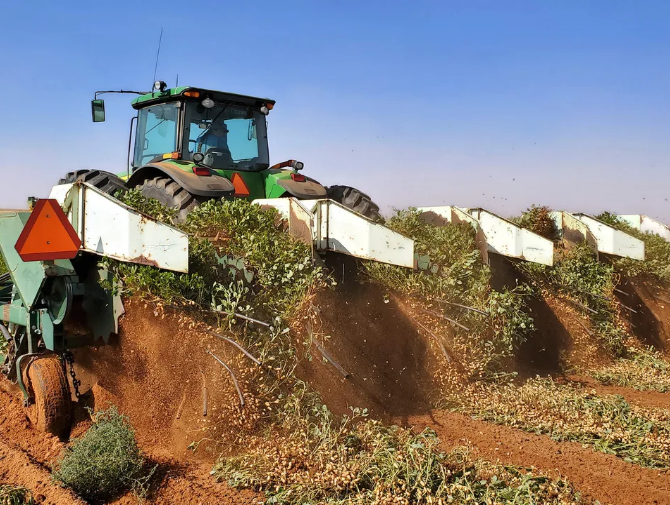
One of the great benefits for India is that peanuts are harvested multiple times a year.
Some countries have only one harvest season. India has different growing regions with different seasons for harvesting.
This enables exporters to provide:
The fact that a fresh crop is available year-round is of vital importance to the European buyer because of its effect on production planning and quality.
Indian exporters offer a wide range of peanuts for food applications.
They include these types:
Different industries use different types of peanuts.
For instance:
Hence, European buyers can source different requirements from different regions.
Europeans are very interested in knowing where their food comes from.
EU buyers want to know all about the products they buy, including:
All documents and systems are put in place by certified Indian suppliers so that buyers can trace the food from the farm to shipping.
Indian exporters are also working towards sustainability by:
It is helping Indian suppliers to meet the expectations of European buyers who want to buy sustainable products.
The peanut industry in India is closely related to farmers across the country. Many exporters deal directly with the farmers through:
This helps farmers grow food, earn more money and be more sustainable in the long run.
European buyers prefer to buy from suppliers who treat farmers fairly and help them to develop their skills.
Packaging of food is very important when it comes to peanuts export. Indian exporters are now using:
These special bags help keep the peanuts in:
India also has good ports like :
These ports help to ensure that food is sent to Europe quickly and smoothly.
In the past, many EU buyers bought their peanuts from countries in Latin America. Now buyers want to buy from different places to reduce dependence on one region.
India is emerging as an alternative because of:
That provides more security to the buyer in his supply chain and allows him to be more flexible when it comes to sourcing.
buyers often want peanuts of a given size or in a given form or processed in a given way.
Indian exporters can tailor their products to meet these needs. For example:
This flexibility allows suppliers to work with various industries such as:
India has carved a niche for itself in the world of peanuts over the years. Indian exporters are famous for:
As a result of the growing demand for healthy snacks and plant-based foods, India’s share in the world peanut trade is increasing.
EU buyers like to buy peanuts from certified suppliers in India for a mix of quality, food safety, reliability and competitive pricing.
Indian suppliers are becoming trusted partners for importers with certifications like BRCGS, good systems for aflatoxin control, multiple harvest seasons, strong traceability and modern export infrastructure.
India is emerging as a more reliable source of peanuts, with increasing demand for sustainable and high-quality peanuts.
This is because certifications help ensure food safety, traceability, quality control and compliance with EU import regulations.
BRC certification shows that the supplier is implementing food safety and hygiene systems, which provides confidence to European buyers.
India exports Bold peanuts, Java peanuts, Hi-Oleic peanuts, blanched peanuts, Runner peanuts and organic peanuts.
Several harvest seasons guarantee the availability of crops and a continuous supply throughout the year.
India has supply chains, good quality peanuts, wide varieties, strong export infrastructure and competitive prices.

With over 17 years of experience in the peanut industry and numerous awards recognising his contributions, he founded Agrocrops in 2008, a leading global peanut company. His passion for peanuts drives his commitment to improving the industry for all stakeholders and promoting sustainability.
Share this


Published on 08/10/2026 in
Published on 07/10/2026 in
Published on 07/10/2026 in
.png)
Published on 07/10/2026 in