

An ounce of information
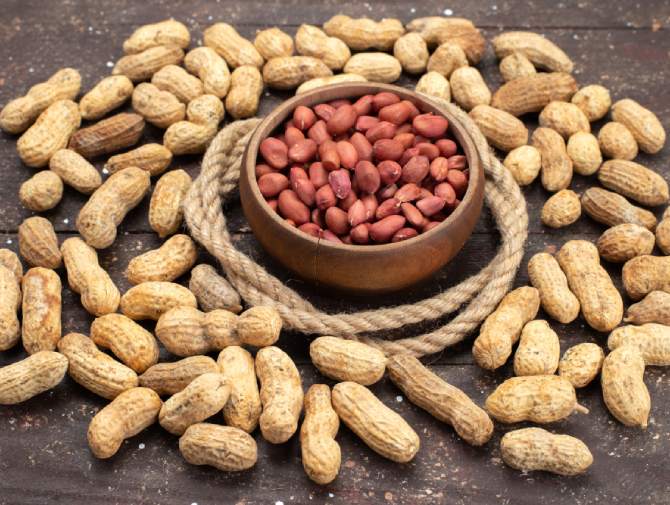
Article by Pnut King
Published on 19/09/2026 in Peanut News
India is one of the world's largest peanut producers, and its peanuts move into peanut butter, snack, confectionery, and oil production across dozens of destination markets. But “Indian peanuts” isn't a single product — grade, variety, and processing level vary widely between suppliers, and buyers who don't specify what they need often end up comparing quotes that aren't actually comparable. Here's how to read Indian peanut grading and match it to what your business actually requires.
Indian peanut supply is built mainly around two groundnut types: Bold (Runner-type, grown largely in Gujarat and Andhra Pradesh) and Java (Spanish-type, grown in Tamil Nadu, Karnataka, and parts of Andhra Pradesh). Bold peanuts tend to have larger kernels and are commonly used for confectionery, roasting, and snack applications where kernel size and appearance matter. Java peanuts are smaller and rounder, with a higher oil content, and are often preferred for oil extraction and paste applications. A third category, TJ (Tag Java), sits between the two and is used across both segments depending on the buyer's grading requirement.
Within each type, growing region and harvest season can still produce noticeable differences in kernel color and size uniformity, even among peanuts labeled the same variety. Confirming which type a supplier is actually offering — rather than accepting “peanuts” as a generic description — is the starting point for any serious comparison.
Most Indian peanuts sold for export are described as HPS, or Hand Picked Selected. This indicates the kernels have gone through manual sorting to remove foreign material, damaged kernels, and off-size pieces, but HPS itself isn't a single fixed standard — the tightness of that sorting varies from supplier to supplier, and even from shift to shift on the same line if quality control isn't consistent. Ask what specific tolerances the supplier applies for foreign material, damaged kernels, and admixture within their HPS grade, rather than assuming all HPS peanuts meet the same benchmark.
Some suppliers offer tiered grades within HPS — a standard grade and a tighter, more expensive “select” grade — so it's worth asking whether multiple tiers exist before assuming the quoted price reflects the top of the range. A supplier's internal HPS specification should be available in writing and compared against a sample rather than relying on the label alone.
Export grades are typically defined by counts per ounce or per 100 grams, alongside a stated percentage tolerance for kernels outside that range. Bold varieties are generally offered in larger counts suited to roasting and confectionery, while Java varieties run smaller and are graded accordingly. Buyers should specify the exact count range needed for their process — a snack producer coating whole kernels needs tighter size consistency than a paste manufacturer, where slight variation has little effect on the finished product. It's also worth asking whether sizing is done by mechanical sieving, which tends to be consistent, or manual sorting, which can vary more between batches.
Moisture content is one of the most closely watched figures in Indian peanut export, since climate and harvest timing can create real variation between lots and seasons. A specification should state the maximum acceptable moisture percentage and ask how and when the supplier measured it — figures taken at harvest can differ from figures taken at the point of loading if storage conditions weren't tightly controlled in between.
Beyond moisture, buyers should set numerical limits for foreign material — stones, shell fragments, stems, and other crop residue — as well as damaged, split, shriveled, and discolored kernels, each expressed as a percentage of the sample. These figures are often where a shipment quietly falls short of what a photo or general description suggested, since visual impressions of a small sample don't always reflect what a full container looks like. A written tolerance for each category gives both sides a clear, objective basis for accepting or querying a lot, rather than relying on a subjective judgment call after the goods have already arrived.
Aflatoxin risk is a known consideration with groundnuts grown in warm, humid conditions, and Indian exporters selling into regulated markets are generally familiar with the testing this requires. Ask for a Certificate of Analysis tied to the specific lot being shipped, not a general reference document, and confirm the testing method and laboratory used. Requirements differ by destination, so buyers should confirm what standard applies to their specific import rather than assuming one blanket figure covers every market. For larger or recurring orders, it's worth asking how often the supplier retests stored stock, since aflatoxin levels can change during storage even after an initial passing result.
The right grade depends on what the peanuts will become. Peanut butter and paste production generally tolerates more size variation but is sensitive to oil content, moisture, and FFA (free fatty acid) level, since these affect both texture and shelf life. Snack and confectionery use, where whole kernels are visible, calls for tighter size and appearance tolerances along with low levels of splits and discoloration. Roasting applications benefit from a consistent kernel size to avoid uneven cooking, and oil extraction favors varieties with naturally higher oil content over kernel appearance. Sharing your intended end use with the supplier, rather than only requesting “top grade” peanuts, helps them recommend a grade that's actually suited to the application instead of simply the most expensive option available.
Price differences between quotes often trace back to grade tightness rather than anything hidden. A tighter foreign material limit, a narrower size tolerance, or an extra sorting pass all add cost, and a supplier quoting noticeably below the market for the same stated grade is worth a closer look. Comparing quotes side by side only works when the underlying specification is genuinely the same — a lower price against a looser tolerance isn't really a discount, it's a different product.
Indian peanut exports are typically packed in jute or HDPE bags, sometimes with an inner liner for moisture protection, depending on the destination and shipping duration. Confirm net weight per bag, labeling requirements, and whether liners are used, particularly for longer transit times where humidity exposure is a bigger risk. On the documentation side, confirm the exporter can provide the commercial invoice, packing list, certificate of origin, phytosanitary certificate, and any additional certificates your destination market requires — and confirm this before the order is confirmed, not after the container is booked.
Grade and specification matter, but so does the supplier standing behind them. Ask about sourcing — whether they process peanuts themselves or aggregate from smaller processors — since this affects consistency between shipments. Request a representative sample matched to your specification, and confirm it will be the same specification applied to the commercial shipment. For recurring orders, a track record of on-time shipping and consistent documentation is worth more than a marginally lower price on a single quote.
Choosing the right grade of Indian peanuts comes down to matching variety, size, and quality parameters to what your production process actually needs, and confirming those figures in writing rather than relying on general terms like “premium” or “top quality.” Buyers who define their specification clearly, verify it against a sample, and check that documentation ties back to the actual shipment are far better positioned to get a consistent result, order after order.
Bold peanuts are a Runner-type variety with larger kernels, commonly used for confectionery and roasting. Java peanuts are a Spanish-type variety, smaller and higher in oil content, often used for oil extraction and paste production. TJ, or Tag Java, falls between the two.
HPS stands for Hand Picked Selected, indicating the kernels have been manually sorted to remove foreign material and damaged pieces. The exact tolerances behind HPS vary by supplier, and some offer multiple tiers, so it's worth asking for the specific written specification rather than assuming a standard definition.
Kernel size is expressed as a count per ounce or per 100 grams, with a stated tolerance for kernels outside the target range. Buyers should specify the count range that suits their production process and confirm whether sizing is done by mechanical sieving or manual sorting.
Groundnuts grown in warm, humid conditions carry aflatoxin risk, and testing confirms the specific shipped lot meets the food-safety requirements of the destination market. A Certificate of Analysis should be tied to the actual lot, not a general document, and levels can shift during storage even after an initial pass.
Peanut butter production generally tolerates more size variation than snack applications but is sensitive to oil content, moisture, and free fatty acid level. Java-type peanuts, with their higher oil content, are commonly used for this purpose, though the right choice depends on the specific formulation and supplier consistency.

With over 17 years of experience in the peanut industry and numerous awards recognising his contributions, he founded Agrocrops in 2008, a leading global peanut company. His passion for peanuts drives his commitment to improving the industry for all stakeholders and promoting sustainability.
Share this


Published on 19/10/2026 in
Published on 16/10/2026 in
.png)
Published on 14/10/2026 in
Published on 14/10/2026 in