

An ounce of information
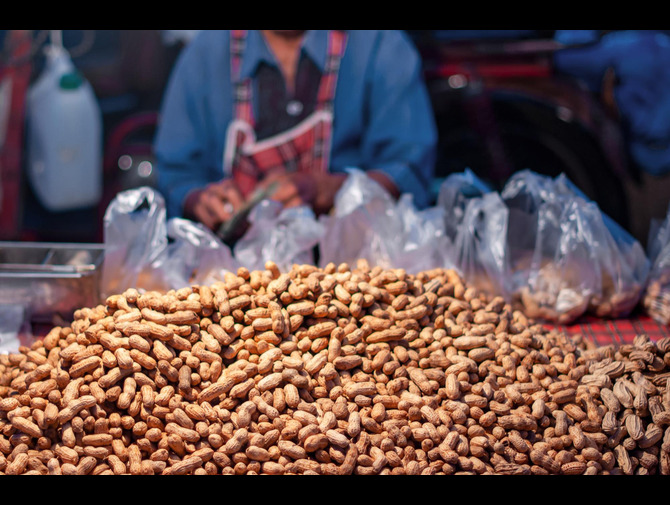
Article by Pnut King
Published on 07/10/2026 in Peanut News
Peanuts are among the most-traded agricultural commodities in the world. They are found in snack foods, peanut butter, confectionery, bakery products and edible oils. Companies are looking for reliable suppliers that can deliver consistent quality, competitive prices and on- time deliveries as demand grows across the globe.
Peanuts are among the most-traded agricultural commodities in the world. They are found in snack foods, peanut butter, confectionery, bakery products and edible oils. Companies are looking for reliable suppliers that can deliver consistent quality, competitive prices and on- time deliveries as demand grows across the globe.
Choosing the right sourcing country is just as important for importers and food manufacturers as choosing the right supplier. Factors such as crop quality, standards of processing, export infrastructure and food safety regulations influence buying decisions.
Knowing the top countries in the world for peanut trade will help buyers source better and establish a stronger supply chain.
The global demand for peanuts has experienced consistent growth over the years, driven by the increasing popularity of nutritious and plant-based food ingredients. Peanuts are valued for their versatility and are an important ingredient in many industries.
Peanuts are now commonly used in
The increasing demand has led to rising competition among the exporting countries. Buyers are now looking beyond price and are expecting quality, food safety compliance and uninterrupted supply.
Several factors affect global trade in peanuts, including:
Countries that consistently perform well across these areas continue to solidify their position in the global export market.
But cultivating peanuts is only part of the story. Successful exporting countries have established robust systems that ensure quality, consistency and reliable deliveries.
Some of the big factors are:
Countries with high peanut production can meet demand in the international market without major interruptions in supply. Stable production also enables exporters to confidently fulfill long-term contracts.
Peanuts of export quality undergo several processes such as cleaning, shelling, grading, sorting, blanching and packaging. Modern processing facilities assist with the consistency of the product and the specifications of the buyer.
High quality standards peanuts are needed by buyers worldwide. Big exporters test and check quality to ensure that their products meet international food safety standards.
Efficient ports, storage facilities and logistics networks assist exporters in delivering products on time and maintaining quality throughout the supply chain.
Peanuts have many different varieties, depending on the industry. Countries with a wide variety of peanuts can meet the needs of food manufacturers, oil processors and snack producers around the world.
India ranks among the world’s top peanut exporters and is a preferred supplier of peanuts to markets in Asia, Europe, the Middle East and Africa. It produces several varieties of export quality like Bold, Java, Runner, Blanched peanuts etc.
Major peanut-producing states like Gujarat, Rajasthan, Andhra Pradesh, Tamil Nadu and Karnataka contribute to the volume of exports from the country. India remains a preferred sourcing destination for buyers across the world with its competitive pricing, varieties and improving processing capabilities.
China is the largest peanut producer in the world and a big exporter of peanut kernels and processed peanut products. It has a large production base and advanced processing industry, so it can efficiently serve the domestic and international markets.
Key producing regions include Henan, Shandong, Hebei, Guangdong, Liaoning, Hubei, and Anhui. Chinese peanuts are widely used in peanut butter, roasted snacks, confectionery, and edible oil production.
The United States produces high-quality peanuts under stringent food safety standards. Buyers value the consistent quality, uniform kernel size and superb traceability of American peanuts.
Georgia, Texas, Alabama, Florida, North Carolina and South Carolina are the main producers and their exports go to Europe, Canada, Japan and other world markets.
Today, Argentina is a leading exporter of confectionery-grade peanuts. The country is highly export-oriented and has invested in modern processing facilities to meet international quality standards.
Argentine peanuts are used extensively in chocolates, bakery products, premium snacks and peanut butter manufacturing.
Brazil has emerged as a major player in the global peanut trade. Improvements in cultivation practices and processing technology have helped the country strengthen its presence in international markets and to increase its exports.
Brazilian peanuts are exported to buyers in Europe, Asia, South America and the Middle East.
The world's leading peanut exporters have achieved their status not just by producing. They continue to invest in farming practices, quality control, processing facilities and efficient supply chains to meet the changing requirements of international buyers.
The global demand is increasing and companies are looking more and more for suppliers who are able to provide consistent quality, reliable deliveries and long-term reliability. Those countries that continue to meet these expectations will continue to be important players in the global peanut export market.
There are several countries that produce peanuts, however many countries import peanuts to feed their food industries. These imports are used in the production of snacks, confectioneries, bakery products, edible oil and retail packaging.
Countries importing the largest quantities of peanuts include:
Japan , Germany , Netherlands , Italy ,Canada , Malaysia , Mexico ,Vietnam , United Arab Emirates , Indonesia
Demand for processed and protein-rich foods is increasing and these markets are expected to continue as key markets for peanut exports.
For decades now India has been one of the world's leading peanut exporters, and for good reason. This country produces a variety of peanuts suitable for different industries like food processing, confectionary, edible oil production and snack manufacturing.
With a robust agriculture base, modern processing facilities and competitive pricing, India is an attractive sourcing destination for buyers from around the world. Exporters also have access to major ports, which helps ensure timely delivery to international markets.
India, with its experienced exporters and established quality standards, remains a reliable partner for businesses seeking consistent peanut supplies.
Finding the right exporter is more than just getting a shipment out. It’s a long term partnership. At AgroCrops, we are committed to supplying peanuts that meet the international quality standards and reliability that global buyers expect.
From sourcing to grading to packaging to export documentation, we take care of everything to ensure quality and consistency. We have Bold Peanuts, Java Peanuts, Blanched Peanuts, Runner Peanuts and also customized specifications as per customer requirements.
Our goal is simple: to provide quality products with dependable service and long term support to importers, wholesalers and food manufacturers alike.
The international peanut market is expanding, bringing new opportunities for exporters and buyers. Countries like India, China, USA, Argentina and Brazil have established a good reputation for regularly exporting quality peanuts all over the world.
Choosing the right sourcing partner is as important as choosing the right origin for a business. Long-term success is based on quality products, food safety, reliable supply and dependable service.
AgroCrops is a trusted peanut exporter who helps businesses source quality peanuts with confidence. We continue to support buyers in global markets focusing on quality, transparency and customer satisfaction.
India, China, the United States, Argentina, and Brazil are among the leading peanut-exporting countries. Their export volumes vary depending on annual production and global demand.
Imported peanuts are widely used in snack foods, peanut butter, confectionery, bakery products, edible oil extraction, and food processing.
India offers multiple peanut varieties, competitive pricing, reliable processing facilities, and a well-established export network, making it a preferred sourcing destination.
Key factors include product quality, food safety standards, available varieties, packaging options, export experience, and the supplier's ability to provide consistent deliveries.
AgroCrops combines quality sourcing, modern processing, export expertise, and dependable customer support to deliver peanuts that meet international market requirements.

With over 17 years of experience in the peanut industry and numerous awards recognising his contributions, he founded Agrocrops in 2008, a leading global peanut company. His passion for peanuts drives his commitment to improving the industry for all stakeholders and promoting sustainability.
Share this


.png)
Published on 09/07/2026 in
.png)
Published on 08/07/2026 in
.png)
Published on 08/07/2026 in
.png)
Published on 08/07/2026 in