

Global peanut crop shortage of 4.75 million tons in this CY2022. Are the peanut prices set to hit the roof and beyond?
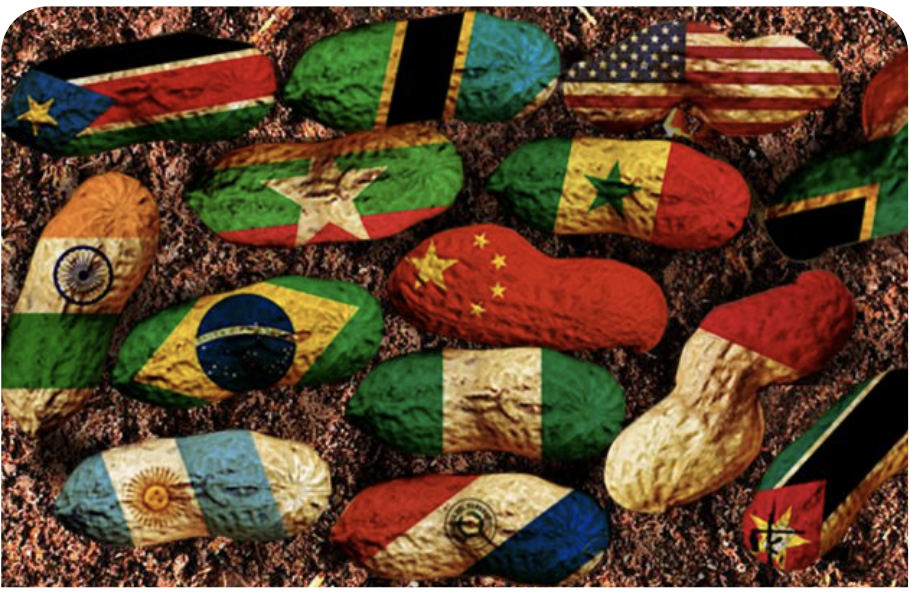
Global Peanut Market
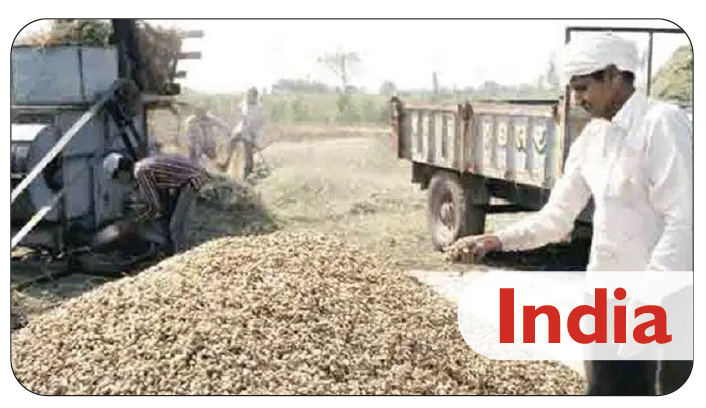
Peanut harvest in India is underway with supportive weather conditions.
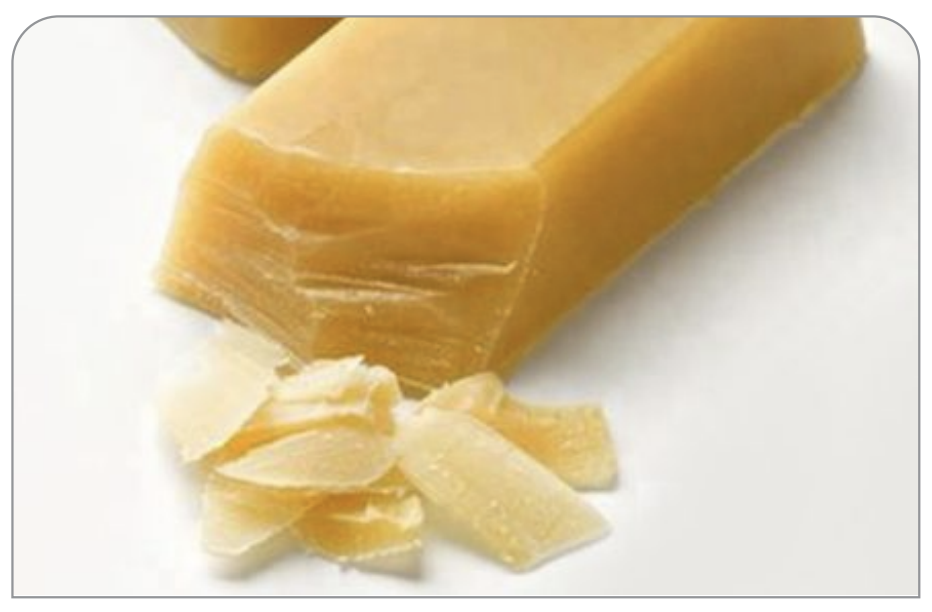
Peanut Innovation
Vegetable oils to peanut butter to avoid its oil separation.
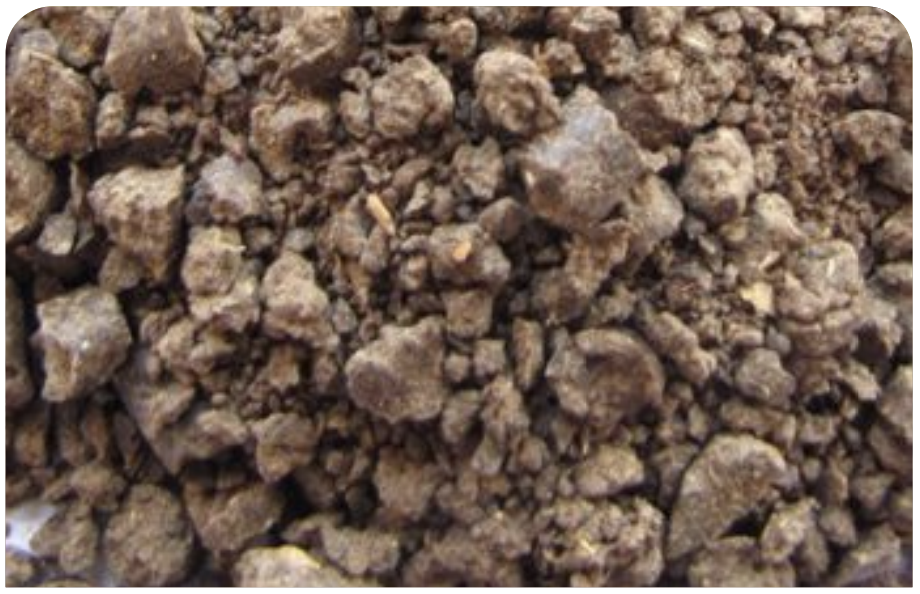
Sustainability
The animal feed groundnut oil cakes undergo careful processing.
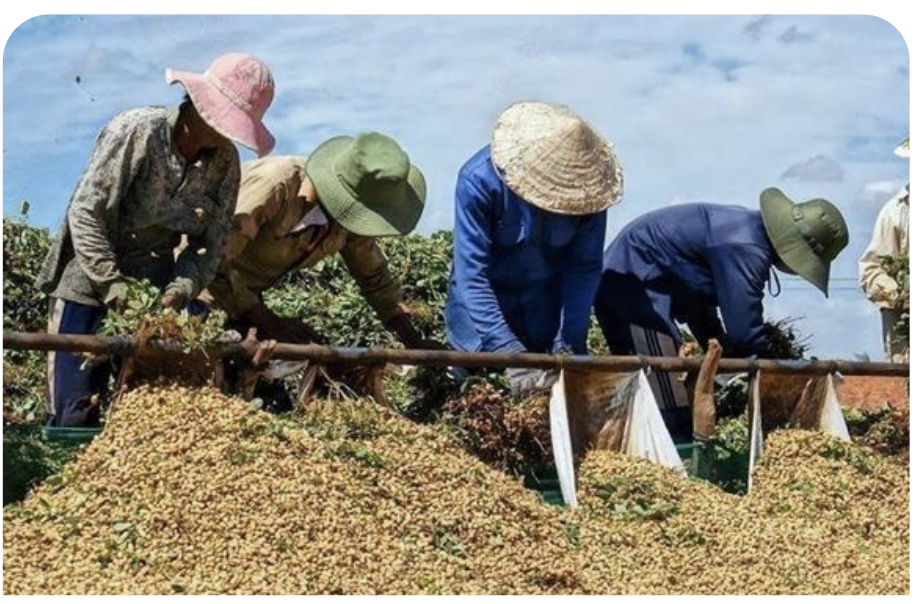
Good Agri Practices
Groundnut pods contain about 35% to 50% moisture.
Market Wizard
Shortage
China is the world's largest producer (17 million tons) and consumer of peanuts. China is short in the 2022 harvest by 3.4 million tons. India, the second largest producer (10 million tons), is short in its harvest by 0.6 million tons. With the rest of the origins totalling 4.8 million tons, that's a staggering 10% short in global production. Apart from the worldwide shortage, the domestic shortfall of the producing provinces could mean a complex demand scenario within the producing countries. For example, Karnataka, which produces 0.5 million tons in India, only had 0.34 million tons in 2022. Similarly, Tamil Nadu and Andhra Pradesh are short crops in 2022 amid the flood.
Shifting Demand
The Asian and European demand baskets are 1.5 million tons and 0.81 million tons, respectively. The global consumption of peanuts is rising by 2% year on year. There is a noticeable trend in shifting demand for cheaper alternatives irrespective of the consumption behaviour towards a particular type or variety of peanuts. For example, Indonesia (the second largest importer in Asia) shifted its demand from India to Africa by 20% in the last three years. Likewise, China turned its sourcing from India centric to other origins (America, Africa & Argentina) by 200%. The EU sourcing is relatively unchanged, with only a shift of less than 1% amid a lack of consistent quality supplies from other origins. The shift in the demand supply phenomenon will globalise peanuts into a hybrid supply chain distribution system an efficient system for the efficient peanut.
The Verdict
Demand and supply are already shifting the same market is being satisfied by multiple sources, and consumers are more adaptive than ever before, just like the peanut itself. Godspeed peanut!
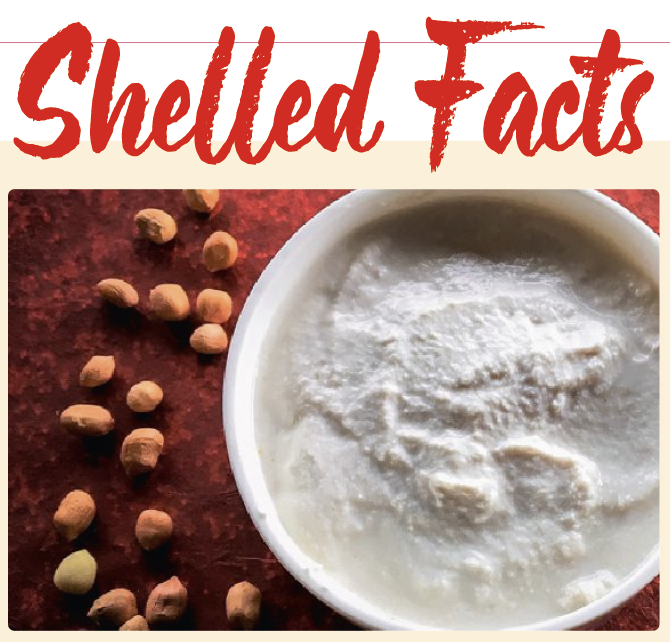
Potential usage of Peanut milk to produce plant based yoghurt
An alternative to cow milk yoghur t was formulated using peanut milk in the usual fermentation method or using the lemon juice method. The peanut milk’s yoghur t contained more unsaturated fatty acids and amino acids than cow milk’s yoghurt. Peanut milk’s yoghur ts also had a higher calorific value respectively. The nutrient composition, physicochemical properties, and increased sensory characteristics of the yoghurt based on peanut milk allow using it as a cow milk alternative in the diet of people with lactose intolerance.
Global Peanut Market
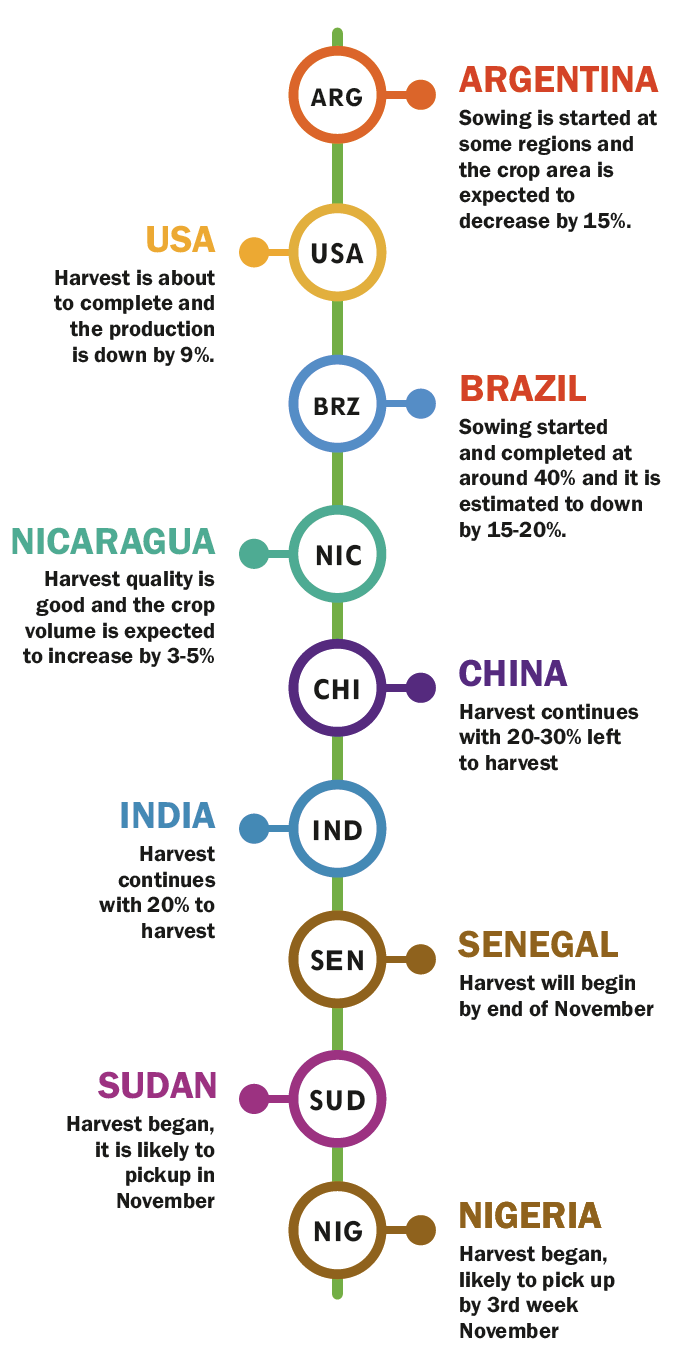
Peanut har vest in India is underway with supportive weather conditions. As a result, peanuts arriving at the farmer's markets are reaching their peak. The final estimate of Gujarat and Rajasthan crops are 3 and 1.5 million tons, respectively. Peanut prices in India started at the top and are now in the correction phase. Domestic consumption and interstate trades are steady. Multiple factors lined up in the market, such as NAFED purchase (MSP Program), festival demand, crop failures in the Southern regions, and sowing peanut demand, could keep the prices steady and robust.
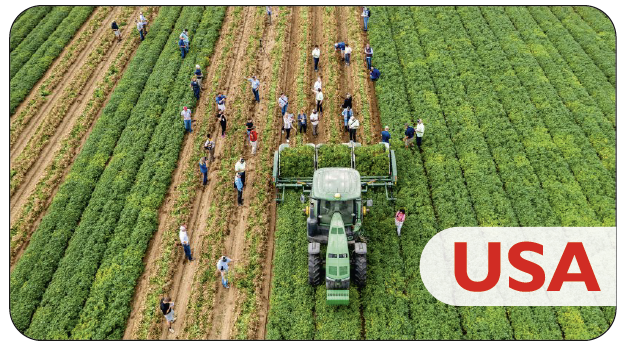
Inflation is at its peak, and demand for peanut butter, candy and other products is in a healthier position. China has shown slight interest in the farmer stock. The comparative rate difference % between U.S. Vs LATAM (Argentina and Brazill) is reduced to 12-15% against 20% in previous months. Peanut production is expected to be down by 6% at 2.9 Million Tons. The harvested area is also likely reduced by 9% to 1.41 million acres. Record high yields are expected in Florida, North, South Carolina, and Virginia. However, the effects of hurricane damage still need to be factored in. Export volume is down by 9%. The U.K. increased the sampling % from 10% to 20%, like the EU, after continuous shipment episodes of Aflatoxin and Fungal infection.
Thanks to China, the peanut market worldwide is showing an uptick. Demand for bigger sizes picked up, and EU buyers are purchasing in decent vol-umes for Christmas demand. In addition, the effects of Damage to crops started coming out and are expected to take the market higher by $100-200 a ton. As a result, even the smaller kernels are fetching better prices. The sowing area will get redu-ced; other cash crops are eating up the peanut acreage. Peanut demand is firm among the shippers amid rising competitiveness. The Real ap-preciated by 5% so far this year. Farm stock prices rose after a slight increase in orders from Exporters.
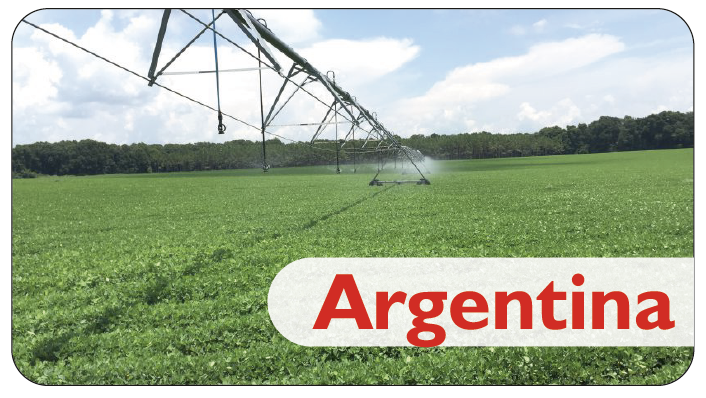
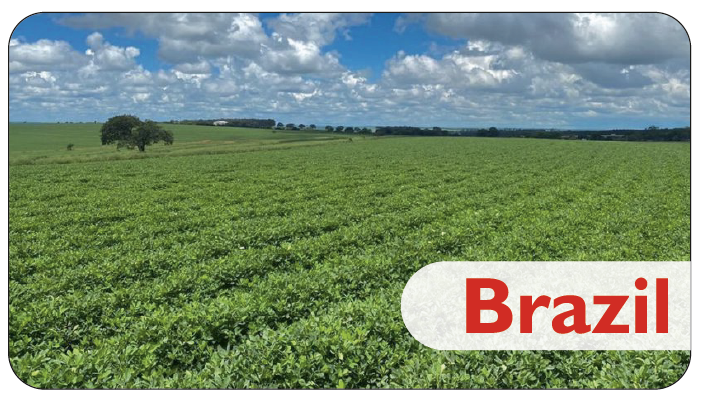
Completed sowing by more than 40% and is likely to spike in the month of November. The acr-eage is expected to reduce by 20% amid competition from Soyabean, Cotton and other cash crops. Farmgate prices are high, and shippers find it challenging to execute their orders. Rainfall is average, and the La Nina effect is not as adverse as expected. The United Kingdom, one of the leading importers of plants from Brazil, implemented mandatory checking of fungicide strains in peanuts. However, the impact on the shipments is yet to be known. Exports showed healthy growth with 29.21k tons during Sep’22 against 32.81k tons in Sep ’21.
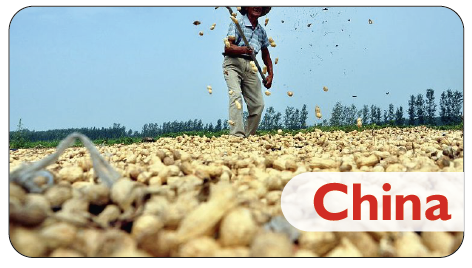
The oil producing companies and the state trading corp-oration controlled the market trends during October. It is partially on account of securing stocks and protecting the value of their extensive inventory. Even though China is short in its crop, the aggression to cover position is mild. In the local market, there were more sellers than buyers. With junan county going into lockdown for two weeks, the market trends will be affected. China purchased oil from Brazil and India aggre-ssively; with the Haiphong channel running on one leg, China will start to focus on cheaper origins.
Sudan
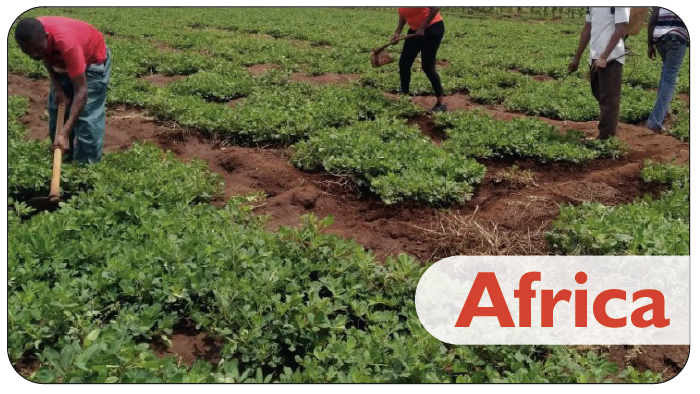
Unlike the last three years, Sudan is going to have a great season in terms of exports. With a 10% to 20% higher harvest, export supplies to the South East Asian markets are likely to grow multifold. The harvest is in full swing; crops started to arrive and pick up in 2 weeks.
Nigeria
There is no good news yet on the new crop arrivals. Northern parts have done the harvest up to 70 to 80%. Crop starts arriving with high moisture levels. Arrivals are expected to rise by the third week of November. Prices will likely come down from last year's ranges, as in the $1000 to $1050 FOB ranges for export.
Senegal
Good rains and good crops. Senegal exporters expect more Chinese visitors this year. By the end of November, crops will arrive, and the MSP7 wtoill 8 be fixed. Most likely, the MSP countrieswill be high according to the feedback from farmers/local vendors. 450 to 550 CFA per kg is expected as MSP
Editor’s Pick
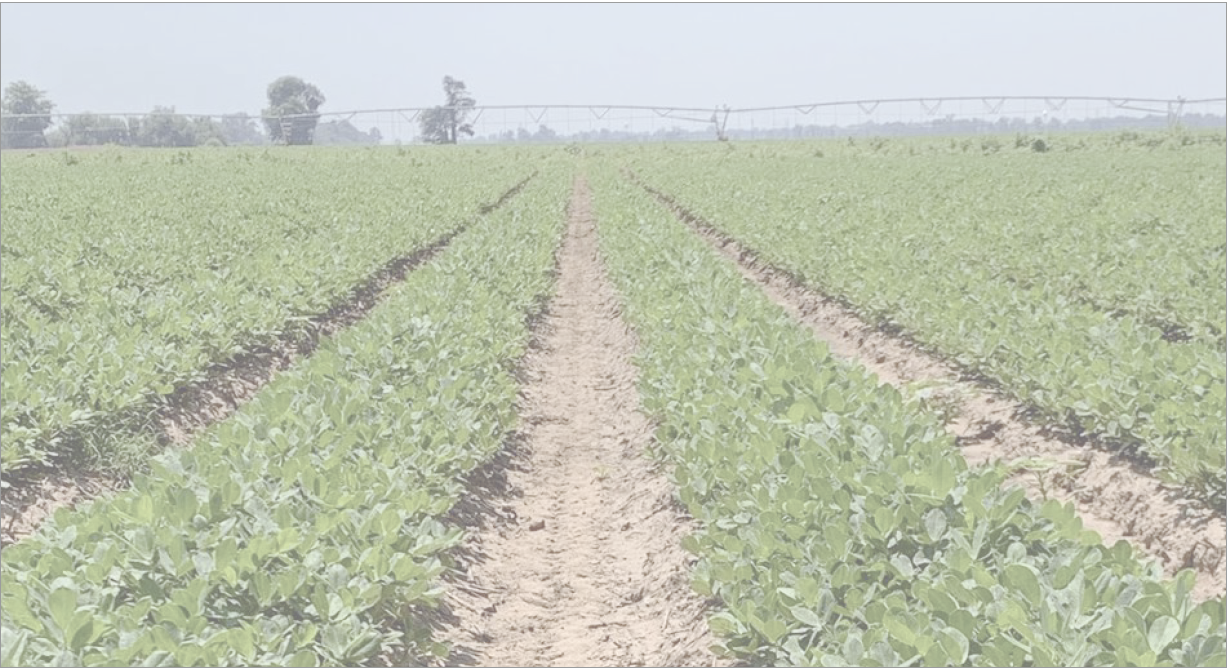
As peanut crop spreads in Missouri, the state seeks inspectors
Missouri agriculture officials are looking to hire a platoon of workers to handle the inspection process for a burgeoning new crop being harvested in the southeast part of the state. In a budget request by the Missouri Department of Agriculture, the agency is seeking $306,000 to ramp up the department’s involvement in the peanut growing industry. Peanut acreage has been steadily increasing in the state’s Bootheel region. Estimates put the ground under peanuts at about 25,000 acres. In 2020, the U.S. Department of Agriculture designated Missouri as a primary peanut producing state, joining peanut producing stalwarts like Georgia, Texas and Alabama. In order to stay on that list, Missouri must maintain a three year average production of at least 10,000 tons of peanuts. The grain inspection program has seen 100% turnover among agricultural inspectors and 25% turnover among senior inspectors, despite efforts by Parson and the Legislature to boost the pay of state employees.

Mr. Luchangsheng
Jilin Changshengjiayuan cooperative company Say about you
I'm a farmer, and we built a cooperative peanut company in Dongbei, Jilin province. We grow peanuts locally, and this is what we do each generation
Do you think organic peanut is widespread and can have a big future?
This organic peanut news I only heard in recent years. Before, we didn't care so much; it only came when people cared about their health and safety. We don't grow organic peanuts here in dongbei, but our local peanut quality is already outstanding in china. This type of peanut would mean something only in those EU and USA countries.
Cultivar Highlights
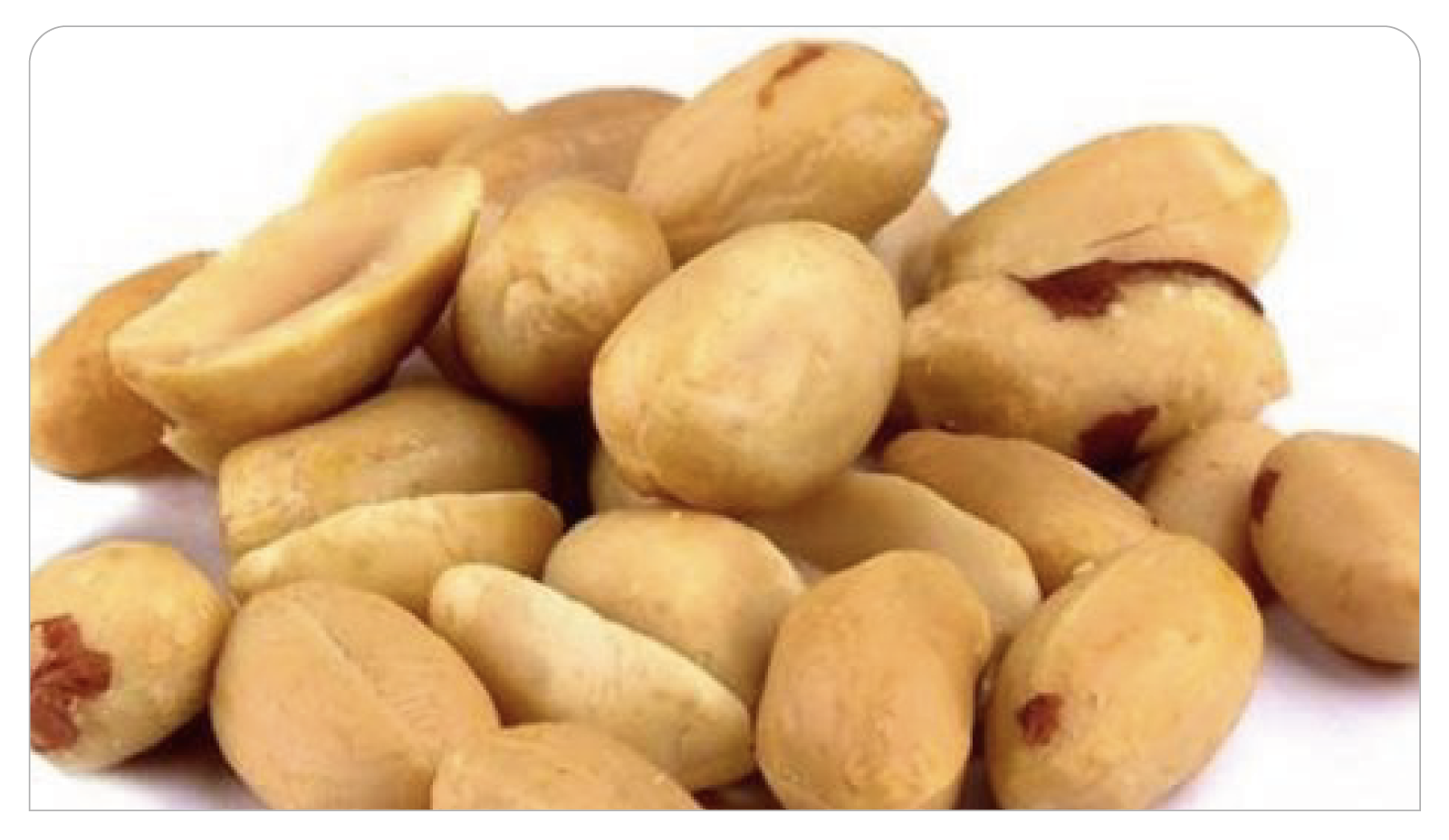
As peanut crop spreads in Missouri, the state seeks inspectors
Missouri agriculture officials are looking to hire a platoon of workers to handle the inspection process for a burgeoning new crop being harvested in the southeast part of the state. In a budget request by the Missouri Department of Agriculture, the agency is seeking $306,000 to ramp up the department’s involvement in the peanut growing industry. Peanut acreage has been steadily increasing in the state’s Bootheel region. Estimates put the ground under peanuts at about 25,000 acres. In 2020, the U.S. Department of Agriculture designated Missouri as a primary peanut producing state, joining peanut producing stalwarts like Georgia, Texas and Alabama. In order to stay on that list, Missouri must maintain a three year average production of at least 10,000 tons of peanuts. The grain inspection program has seen 100% turnover among agricultural inspectors and 25% turnover among senior inspectors, despite efforts by Parson and the Legislature to boost the pay of state employees.
...Select high blanching genotypes ...
Peanut Innovation
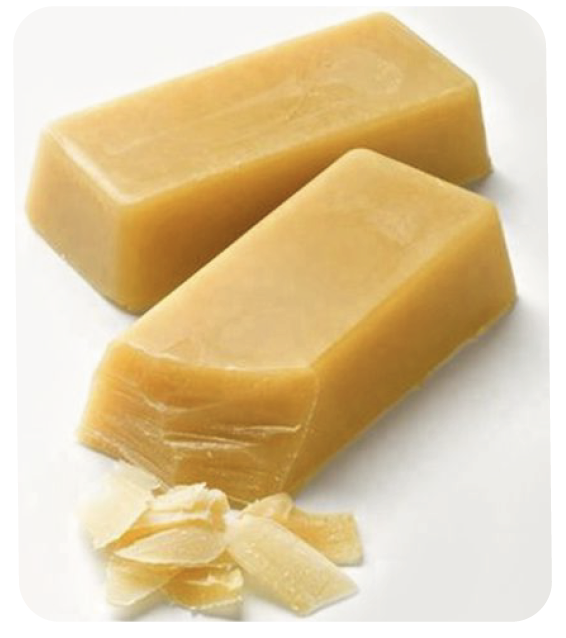
Potential usage of Natural Waxes as Stabilizers in Peanut Butter
Usually, Peanut butter manufacturers add sugar and fully hydrogenated vegetable oils to peanut butter to avoid its oil separation during storage. Unfortunately, hydrogenated oils are significant sources of saturated fats, and reducing their consumption is challenging for food scientists without affecting the desired characteristics of food products. Waxes have stabilization properties and might be used to make peanut butter instead of adding hydrogenated oils. Plant derived waxes are mixtures of long chain alcohols and fatty acids with high melting temperatures. Rice bran and carnauba wax added to peanut butter presented a higher elastic modulus and lower oil separation percentages than beeswax. However, found no significant differences between the different ratios of waxes. The oil separation was lower than 2% after four weeks of storage at room temperature. By considering the spreading ability and firmness of the peanut butter, Rice bran wax oleogel added to peanut flour showed a close spreading ability and firmness to the commercial peanut butter than Carnauba wax. This oleogel could be a sustainable, USDA approved alternative to the “fully hydrogenated oil” as a natural stabilizer.
Current Crops
Peanut Sustainability
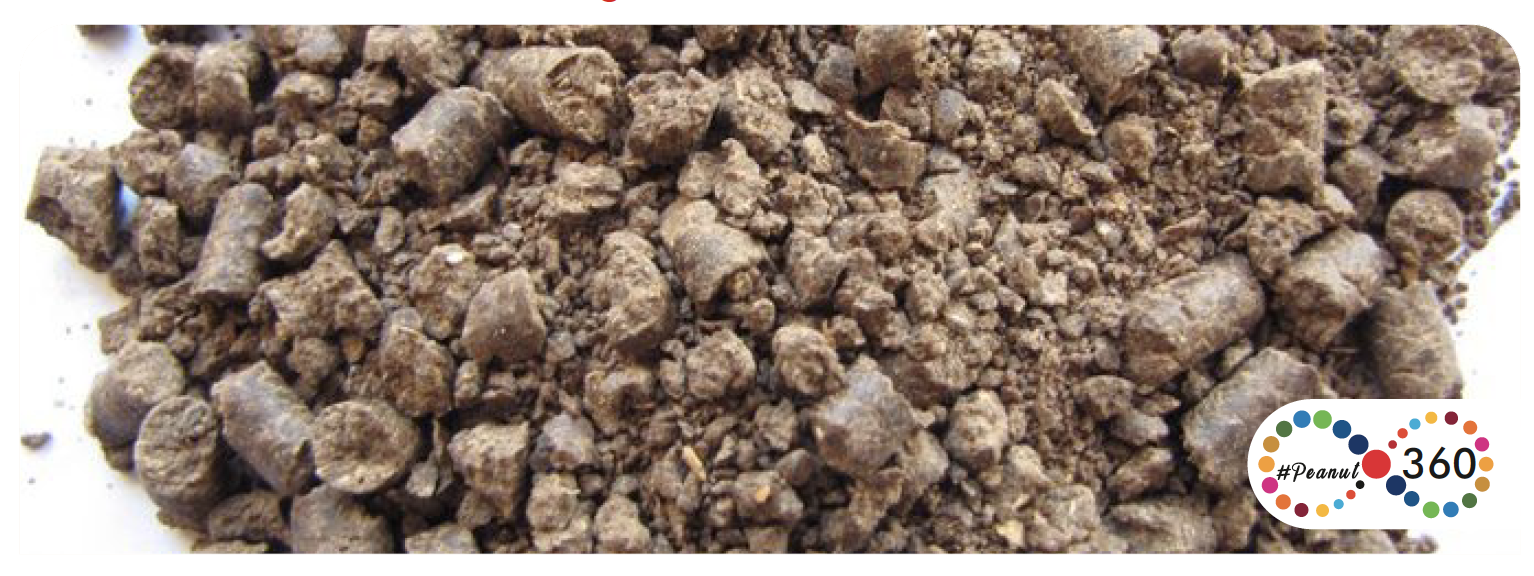
The Animal feed groundnut oil cake
Groundnut oil cakes are fed to the animals owing to the presence of high protein in it which benefits all types of farm animals. Here is a detailed expla-nation of groundnut oil cake is given in the form of animal feed. Animal feed groundnut oil cake is packed with carbohydrates, oils, and fats followed by proteins. They are also rich in minerals and vitamins all of which contribute towards the healthy functioning of the animal’s metabolism procedure. Groundnut Oil Cake Processed steps The animal feed groundnut oil cakes undergo careful processing from carefully handpicked nuts and premium grade groundnut oil. No wonder why the groundnut oil cakes that you usually use to feed your animals flaunt an except-ional fragrance and are counted for their prominent health benefits. Groundnut oil cakes have versatile applications like animal feed, plant fertiliser, and crops.
Processing Groundnut Oil Cakes for Feeding Animals
The basic steps concerning the proce-ssing of animal feed groundnut oil cakes involve oil cake:
- Crushing
- Mixing
- Pelletising
- Cooling
- Packing
When the manufacturers of animal feed groundnut oil cakes have to eliminate toxic substances and pack them with nutritional values, they ensure to raise the temperature during the pelletising process of the groundnut oil cake. They are processed for animal feed mainly because of their oil content, important micronutrients, and fat protein all of which are essential for the overall growth and development of the animals.
Groundnut Oil Cakes are a Rich Source of Energy
Groundnut oil cakes have been the richest source of protein and energy both of which are extremely essential for different types of livestock. Groundnut oil cakes are one of those important food items which contain a high level of protein and minerals. These proteins and minerals are an integral aspect of body tissue repair and replenishment. Animals require sufficient amounts of protein for healthy growth. The groundnut oil cake is what we refer to as the expeller presser and has a couple of varieties- namely Grade I and Grade II present in the market. The protein content in groundnut oil cake is about 45% but lacks methionine, cysteine followed by lysine and also it is the best source of both calcium and Vitamin B12 for the animals.
Good Agricultural Practices
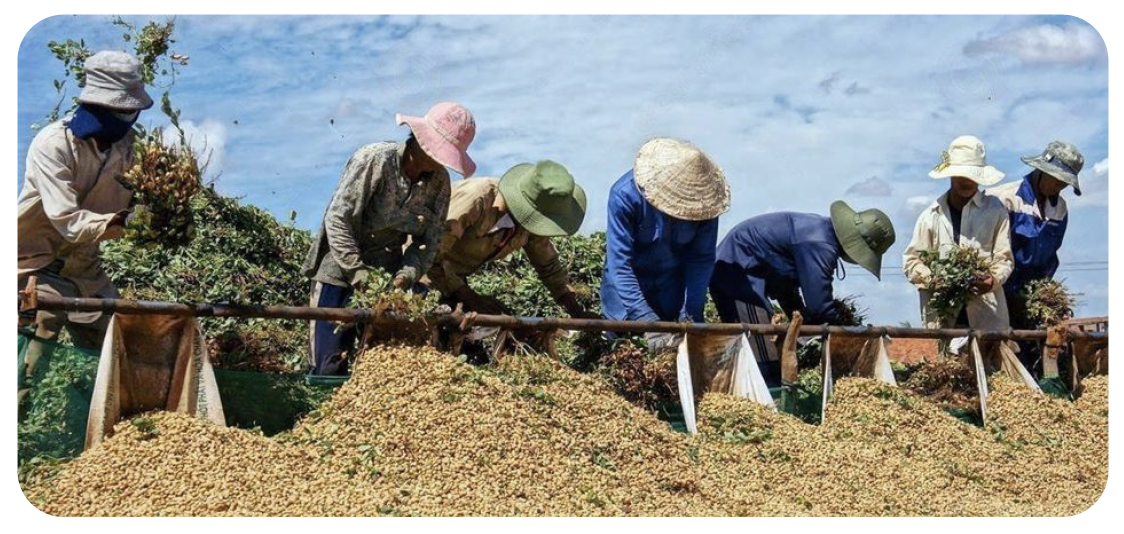
Drying and Curing methods of peanuts at the time of harve-sting.
Groundnut pods contain about 35% to 50% moisture, where brought below 10% to prevent molding and heating at storage time. The drying process must begin immediately after digging to prevent molding and spoilage under normal harvest weather conditions. Proper Drying removes moisture from the pods at the point at which the moisture content of the pods comes into equilibrium with the moisture of the surrounding air. If peanuts are dried too rapidly, their milling quality will be reduced and if peanuts are exposed to excessively high temper-atures flavour may occur. Curing is the total process of moisture removal and flavour and texture development in bringing the produce into storable condition. The harvested plants were shaken to dislodge the soil from pods and were kept inverted in the rows making pods facing upwards for 2–3 days in the field before threshing them. The soil on the pods slows down drying and provides favou-rable conditions for fungal growth. In the post rainy season, when higher temperatures prevail at the time of harvesting, the harvested plants are assembled in the field in circular heaps with pods facing inside to avoid their direct exposure to the sun. After 2–3 days of drying in the field, the pods are threshed. Both mecha-nical and manual threshing is practised. The threshed pods are sun dried for 3–4 days to bring down the moisture content below 10%. Drying under high temperatures and above at the drying,` floor causes the loss of seed viability. It is important to remove all damaged, rotted and sprouted pods from the harvested produce as they reduce the quality of products and serve as a source of diseases and insect pests in the storage period.