

Inflation: Rising, Forex: Volatile, China: Troubled, Global Economies: Depressiom Harvest: Decreasing, given these combinations how will the peanut market perform in the year 2023?

Global Peanut Market
Active stockiest and traders made the market spiral up.
Peanut Innovation
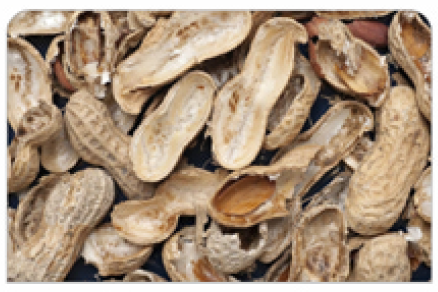
Peanut shells are used in wet composting materials to treat waste
Sustainability
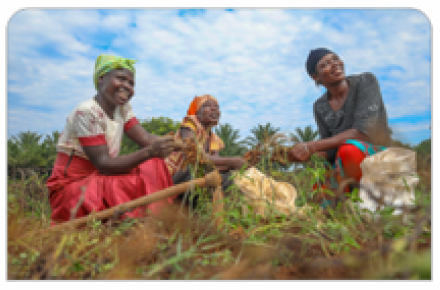
Women play significant roles in groundnut production and processing

Good Agri Practices
Bio fertilizer management: Bio fertilizers are the source of microbial
Market Wizard
Inflation
The global average inflation was at 4.5%. now at a staggering 8.9%. The average interest cost of the developed and developing economies was at 2.5% and 6.25%; respectively. the same is now at 4.25% and 7.9%. The rising cost of money (the antidote to inllation) has other unintended consequences in the food &.Agri industries. such as a shift in crop focus by farmers, a shift in sourcing origins by snack manufacrurers and periodic reduction in consumption volumes. The rising cost of food & Agri does not necessarily mean lower sales. is almost a certainty.
Mother nature
The global peanut production scenario is changing. tilting towards Africa and Brazil. Crop failures, yield losses, acreage shrinkage. and loss to competing crops often make headlines in the top growing regions. Instability in economic and natural conditions contributes to such changes.
Bottomline (the year 2023)
The global economic crisis could lead not only to deflation but also to depression. It takes a 3-5 year period for a meaningful shift in economic trends at the macro level. Peanuts are a comon man's thing; it is a go to protein and snack for all income levels (during the 1998 and 2008 crisis, global peanut tracle volumes decreased by (-6%) &. (-2%) respectively. Although we see several headwinds in 2023. the year wiii test the strong willed market. We expect volumes, credit and costs to rise while profits fall. May the toughest survive. thus Godspeed, peanut.

Peanut Oil can be used as a moisturising agent for dry and mature skin
Peanut Oil is an emollient plant oil known for its incredible skin softening and antioxidant properties. When applied topically, Peanut Oil for the skin hosts numerous benefits. As a rich emollient. Peanut Oil can help condition and moisturise skin that looks and feels softer, smoother. and more radiant. Occlusive properties enable it to act as an outermost barrier that locks in natural moisture while protecting skin against extemal factors like harsh weather or drying indoor heat.
Global Peanut Market
Active stockiest and traders made the market spiral up. Domestic demand for festivities till mid of January fuelled the demand further. As a result, the cost of shells went up, making shelling nearly unprofitable. Nafed failed to procure their targetted quantities. but the farmers realised this crop more. Crop failures in Kamataka and reduced arrivals from Madhya Pradesh attributed to this profit of North and Northwest farmers.
In the South, Telangana crops were reported to be unhealthy; crop volume could reduce by more than 65%. The current crop arrivals have high moisture and high rates amid good local demand. Peanut arrivals from Telangana are majorly from Gadwal and Wanparthy. The market may stabilise in the coining days. Sowing in Tamil Nadu and Orissa is completed by 40% and 80%, respectively. Climate is helping the crop positively. Indian markets could continue to remain steady and go upward.
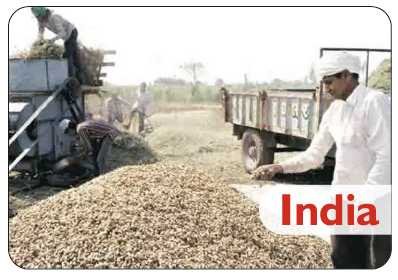

Final harvest information show's a dedine in acreage by 8% and yield by 9%. Yet. despite this significant loss, markets are silent amid sufficient stocks. The US Farm bill discussion bring in some cheer; upon implementatiom farmers feel it is a boon for their business. The price variation has been just 2% y o y. and exports are majorly nooded Lo Mexico and Canada. Where the volumes increased by 13% and 3%, respectively. On the other hand, export to China is on a downward spiral, and books are reduced by 45%, with little contribution from Japan and the Netherlands, which contribute around 9% of the total exports.
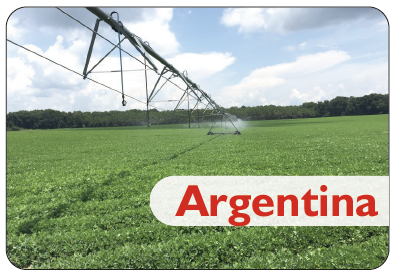
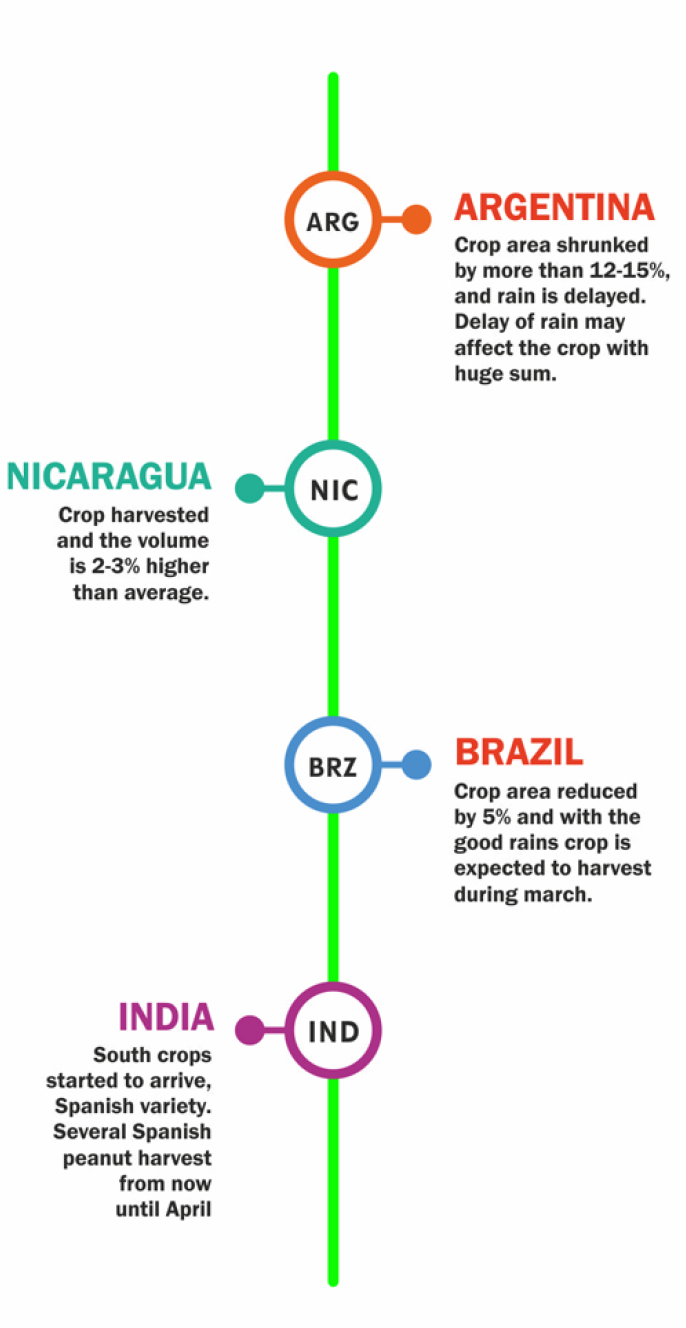
The 2023 crop so far is a challenging one for Argentina amid lower acreage of 15%. And there is more bad news, a 30% lower rainfall projection and lack of timely rainfall. Moreover, with the rising demand for bigger kemels from the previous crop. the new crop situation is under added pressure.
The price of bigger kemels is at an all time high. Peanut prices may escalate if the status quo continues. Smaller kemels are available at relatively lower costs due to the abundance of supplies. It is between $950 and 1000 fob. The FFA of these smaller kemels is higher due to the extended stocking period. Several shippers are still unable to get GACC (China) export clearance. However, compared to other oilseeds. Peanut exports showed significant strength in 2022.

The new crop planting is completed with an acreage shrinkage of marginally 5%. The rainfall levels are good in Sao Paulo and Parana. Therefore, peanut farmers' profits might increase by 7 -10%. Furthermore, this year peanuts are also planted in other areas. such as Mato Grasso, in addition to the traditional regions (Sao Paulo and Parana). Therefore, the crop area may rise in consecutive years if farmers achieve better profits in this crop.
Most shippers are out of the market amid crop shortage and the expected arrival of new crops by the end of March. Conceming exports. Raw peanut and Blanched peanut export have reduced by ( -8%). & ( -7%). respectively. At the same time, the export of peanut oil grew significantly by 69% compared to 2021.
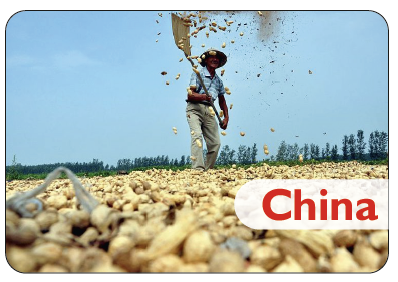
The market in the future and the physical market do not reflect reality. The local demand is volatile with utmost uncertainty amid the precarious covid situation. The price of local peanuts started Dec with 9800- 10800 RMB and is now 9600- 10200 RMB, whereas oil started with 17600 RMB and is no"" 17200 RMB for grade 1 refined peanut oil. Demand strength is weaker.
Sudan
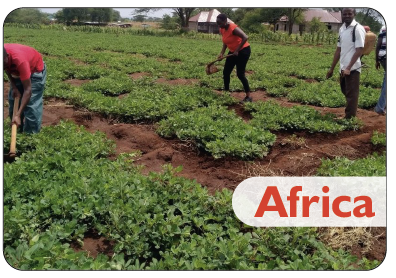
Sudan prices are driven by Chinese demand. Indonesia and other importing countries seem to be out of Sudan this season. However, container shortages price stagnatiom and lack of aggressive purchases from China are critical concerns for Sudan peanuts trading at 1100-1150 fob.
Nigeria
Prices are higher. just like in the last three years. FOB rates at $1300. This is due to the economy and inflation of the country. Currency is losing its strength. Despite the production volume, Nigeria does not have much export scope in upcoming years amid local demand.
Senegal
Exports are likely to open during January 2nd half. Most Chinese are procuring aggressively on the spot with a rate of 350 to 450 CFA per kg. The reason for holding the export is due to Sonacos procurement. But Sonacos are finding it difficult as their price is lesser than Chinese. This may impact in opening of export. Few suppliers mentioned that the quantity of Senegal cargo isn't much. unlike lastyear.
Editor’s Pick
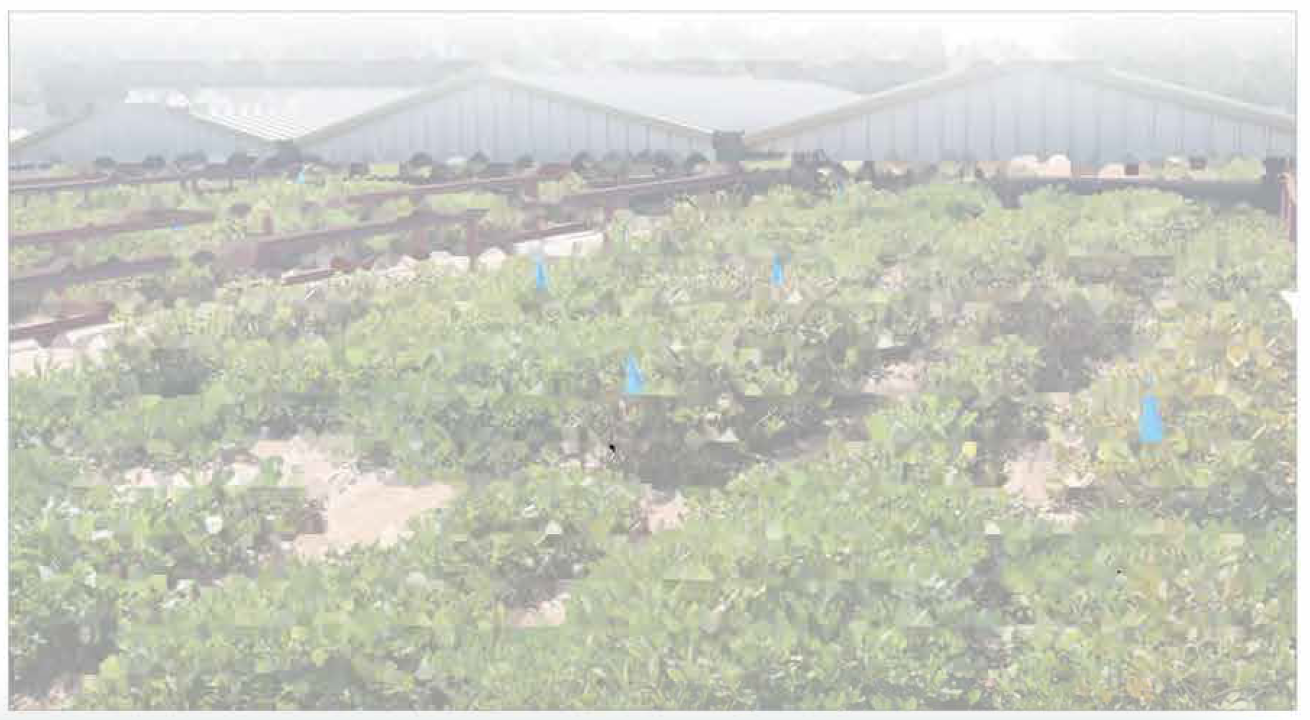
UGA peanut breeders have spent decades developing the next best peanut variety for Georgia's farmers
Georgia is the No.1 peanut producing state in the U.S., growing ct.pproximately 52% of the peanuts produced in the country in 2021, mostly in the state's sandy Coastal Plain region. The same year, Georgia producers harvested more tha11 3.3 billion pounds of peanuts from 750,000 acres planted. During this year's mid September tour, a peant1t , digger idled at the edge of farmer Greg Davis's peanut-fields in Tift County, waiting to begin digging the neat rows of compact peanut plants stretcl1ed out over hundreds of acres. During the 2022 breeding seasom the peanut breeding teams harvested 3,000-4,000 tmique plants, from which they will select only a few hundred to go on to the next phase of testing. Tl1e e11tire breeding process takes 10 to 12 years before breeders are ready to release a variety to Georgia Seed Development, which provides genetically pure foundation plant material for new cultivars and supports the commercialization of new cullivars.

Mr.Dr. M S Basu
Formerly Director, National Research Centre for Groundnut (ICAR)
Say about you
I work as a Seed System Development IC RI SAT and UNIDO Intemational Consultant on Aflatoxim Africa.
Do you see Al taking over the peanut farming and raw peanut processing industry?
Al has the potential to revolutionize the peanut farming and processing industry. Can be used to monitor soil quality and moisture levels, allowing farmers to make Afla toxin management decisions based on real time data that will ensure optimal water levels for peanut crops. Al in processing can be used to automate sorting and grading processes using image processing, ensuring products arrive in the best possible condition.
Cultivar Highlights
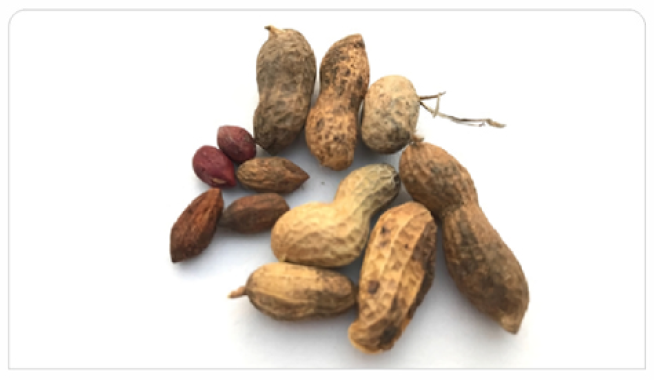
Most Atlatoxin susceptible peanut varieties inZambia
Slike most of the other African nations, Zambia does not have its own regulation on Afla toxin but relies solely on the Codex Alimentarius Standards. In Zambia. peanut production is high and contributes significantly to the national economy. However. little is known about the magnitude of Afla toxin contamination in Zambian peanuts. Of the 92 raw peanut samples. 51 tested positive for the presence of Afla toxins that were sold in the Lusaka district. It was observed that the Chalimbana variety (Virginia runner type) was the most susceptible to Afla toxin contamination compared to the other varieties. Factors which facilitate its contaminated by Afla toxins include the long duration it takes to mature.150 to 160 clays. increasing its exposure Lo rainfall. the extremely labour intensive it takes during harvesting by the fact that the uprooting process requires intensive digging and Lhe pegs are thinner and weaker which means that pods often become separated from the plant at harvest. Therefore. intervention strategies that reduce the levels of Afla toxin contamination in peanuts should be given priority. Reference 1.F.Bumbangi., et al.. Occurrence and factors associated with Afla toxin contamination of raw peanuts from Lusaka district's markets. Zambia. Food Control 68 (2016) 291-296.
... the most susceptible to Afla toxin contamination
Peanut Innovation
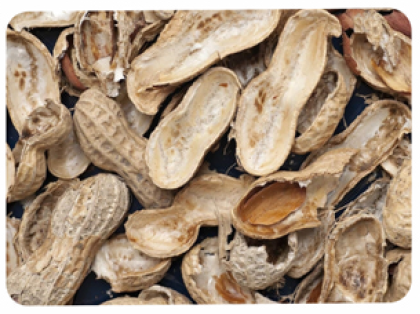
Peanut shell utility in the Production of Bioethanol
Peanut shells are used in wet composting materials to treat waste water, plastic. and wardrobes. They are also used as insulation boards, metal casting, a medium for pesticides. and activated carbon. Peanut shells contain cellulose (40.5%), lignin (26.4%), and hemicelluloses(14.7%) and are rich in cellulosic substances. Because of this, they are also can usable in bioethanol production. Peanut shell is a carbonaceous, fibrous solid waste which encounters, disposal problems and is generally used for its fuel value. The ethanol production from lignocellulosic compounds involves saccharification by acid hydrolysis. However, higher medium-term expectations for the viability of cellulosic ethanol focus on the possible use of microbial metabolism in the degradation and saccharification of the plant cell wall to minimize the presence of inhibitors during fermentation and maximize the fermentation of hexoses and pentose. Various pre treatment methocts have been employed to separate cellulose, lignin. and hemicelluloses from the peanut shell to obtain the monosaccharide. Further steps involve the isolation and hydrolysis of cellulose and hemicelluloses to produce fermentable sugars, followed by fermentation and distillation.
Current Crops
Peanut Sustainability

Gender considerations sustainability for women working researchers in groundnut
Women play significant roles in groundnut produclion and processing across many developing countries so much so, that groundnuts are often referred to as a "female crop". However as groundnuts become more commercializcd and profitable. morc mcn arc growing groundnuts as a cash crop and the significant roles womcn play in production and processing across many developing countries. While men also produce groundnuts. gender roles and responsibililies tend to foliow different pattems. Across countries like India. Ghana, Zambia, Malawi. Mozambiquc. Uganda, and Haiti, groundnuts are considered a subsistence. rain fed crop, predominanlly grown. managed and processed by women on small household plots ranging from 0.2 to 2 hectares. The majority of groundnuts produced by women over 80% plus in some places go to, 1ards household consumpliom using any additional surplus for sale to local traders or in local markets as an income generating activity. In some countries, groundnuts are intercropped with maize. cassava, millet. and/or sorghum. all of which are susceptible to Afla toxin contamination. Afla toxin control is a significant concem for male and female fanners and for improving the supply for local, regional and export markcts and reducing public health risks for local populations often ignored because health effects are not seen immediately. Seed selection is based on male and female preferences. For womem this often is based on ease of produclion. harvesting. shelling. cooking. processing; appearance; taste and familiarity, while for men yields and market value is more important. While constraints for both male and female groundnut producers exist in storage. aggregation of products. Afla toxin control. and overall production yields female groundnut producers routinely face additional constraints in accessing productive land and tenure rights. agricultural inputs. such as fertilizer and pesticides. and have less access to extension services such as agricultural training and information than male farmers. Acknowledging and understanding these differences is important for developing gender appropriate seed varieties, technologies and tools along the ground nut value chain. Many female farmers are dependent on their peanut crop to resolve nutritional and financial household demands women play such a critical and key role in groundnut production and household nutrition decisions, it is important to consult them during design and subsequent research phases. Women have specialized, cultural knowledge that can be tapped into for groundnut production and processing.
Good Agricultural Practices

Foliar spray of nutrients &. Biofertilizer management in groundnuts
Bio fertilizer management: Bio fertilizers are the source of microbial inoculants, which have brought hope to many economic and environ-men tal countries. Therefore in developing countries, the use of Bio fertilizers can solve problems of high the cost of fertilizers and that can save the economy of the country. Due to intensive fanning, there is a heavy consumption of chemical fertilizers. The use of chenmcal fertilizers has doubled during the last two decades. Thus, the coincident application of organic manures and bio fertilizers is frequently recommended firstly for improving soil's biological. physical and chemical properlies and secondary to get high and clean agricultural yield products free From undesirable high doses of heavy metals and other pollutants. Biofertilization. in contrast to chemical fertilizers, is receiving steadily increased attention and recognition from scientists because the microbial inoculants, including e.g. Rhizobium and Mycorrhizae fungal inoculants were introduced into the soil or plant culture enhance plant productivity directly or indirectly. The highest dry matter production in the application of both Rhizobium and phosphor bacterium was due to the fact that it produced maximum shoot length. a higher number of branches per plant and a leaf area index.
Foliar spray of nutrients
Foliar feeding is often the most effective and economical way to correct plant nutrient deficiencies. During the last decades, foliar feeding of nutrients has become an established procedure in crop production LO increase yield and improve the quality of crop products. Foliar application of nutrients could improve nutrient utilization and lower environmental pollution by reducing the amounts of fertilizers added to the soil. Foliar feeding of a nutrient might have promoted root absorption of the same nutrient or other nutrients by improving root growth and increasing nutrient uptake in Groundnuts.